How To Overcome Digital Hoarding

If our physical space runs out, then we’re left with one last area to saturate with our stuff: digital storage. In this post, I will address the threat of digital hoarding and how to keep it from happening to you.
Overcoming a hoarding disorder Getting help to overcome a hoarding disorder. Kim Kyle Morgan, FOR THE CHRONICLE. March 18, 2010 Updated: Aug. 2, 2011 3:26 p.m. Facebook Twitter Email. Hoarding can put a big strain on relationships, experts say. Sessions with a therapist and meetings with a support group can teach people close to hoarders how to deal with anger and other emotions, and how to set limits, Neziroglu said.
- A s the recent rush of documentaries has shown, hoarding makes good TV. Visual, personal and emotive. And while there is a need for better understanding, sympathy and awareness of hoarding in.
- Get a glimpse of how to overcome the mental and physical fatigue that is standing between you and your full potential. Digital Media Consultant and Investor. Hoarding has been found to be.
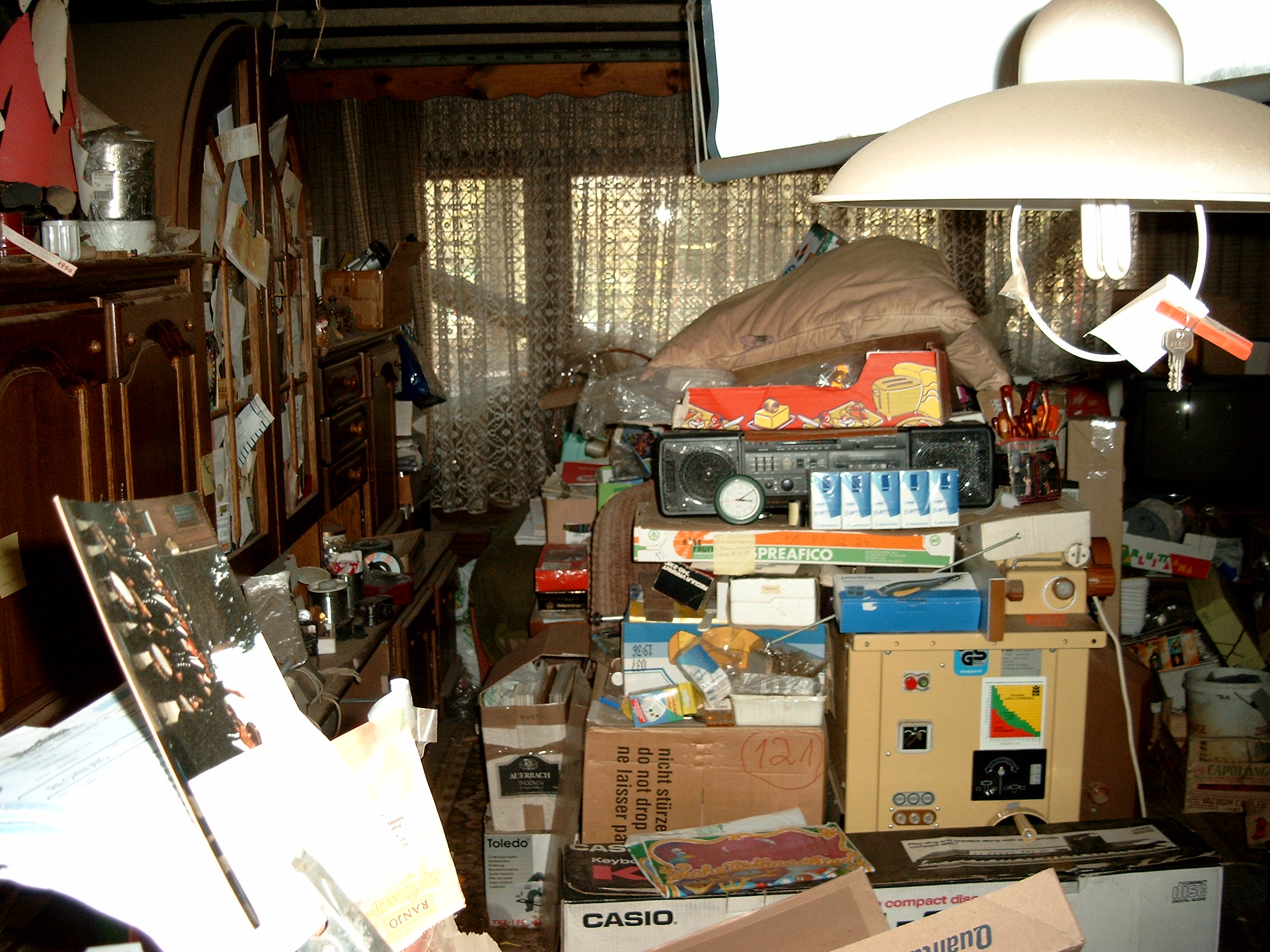
- How To Overcome Hoarding. Hoarding is a known anxiety disorder in which an individual is unable or unwilling to part with personal possessions, in turn, they accumulate huge numbers of possessions that clutter the entire home and property.

What is Considered Digital Hoarding?
Hoarding means to excessively acquire many belongings and be unwilling to eventually discard them. Digital hoarding is exactly the same, although it generally isn’t associated with a compulsive disorder. It’s more often a secondary effect of a user not regularly deleting data files.
Digital hoarding can snowball as easily as compulsive hoarding. The best way to prevent this is to be proactive about maintaining the data on your devices. If this post is illuminating your flaws, then there are still steps you can take as damage control.
1. Be Discriminant to Avoid Digital Hoarding
Only save files you expect to open offline or frequently. For example, you don’t need to save every image on the first page of a Google image search.
Take care not to download anything you only wanted to view once. If a file is unintentionally saved to your drive, then you should immediately seek it out for deletion!
Make a habit of not collecting volumes of weekly articles as well as shows. If a file is outdated, such as last week’s grocery PDF ad, then trash it right away.
2. Rename Everything
Part of tackling clutter of any sort is creating an organizational strategy around it. Oftentimes, saved files have default names that appear as randomly stringed characters. Rename files in a categorical manner so that you can quickly reference them as needed.
Save yourself time by making files easily recognizable without having to open them.
3. Use Folders Effectively
Folders can be endlessly implemented into each other for more specific organization. You should consider using sub-folders to reference the date the files were acquired. They can also help separate files that have no use sharing a folder in the first place.
How To Overcome Digital Hoarding Disorder
4. Turn Off Notifications to Prevent Mobile Digital Hoarding
This only applies to mobile devices where you need to be alerted for important apps or communications. Allowing unimportant notifications to stack and clutter decreases your ability to be instantly alerted of anything urgent.
How To Overcome Digital Hoarding Effects
Go into your phone’s settings and adjust alert permissions to easily eliminate any unnecessary notifications.
This isn’t always an all or nothing strategy, however. Many apps will allow you to fine tune what you want to be alerted for.
5. Purge Outdated Files

Regularly purge your device storage to reclaim space lost to your data. I don’t mean do a complete system reinstallation; I mean go through each file on your device and be discriminant.
Outdated files can be a number of things:
- Outdated media include videos that output in a much smaller resolution which under-utilize your display’s natural resolution.
- Older audio files are generally audibly inferior in terms of sound quality and cleanness.
- Old pictures may house bad memories you’d best not remember again. They might also be pixelated and overly grainy compared to today’s standards.
- Old documents can reveal sensitive information concerning your financial and personal history. It is up to you to decide whether you would rather have that data stored elsewhere or be removed.
Discussion

Are you a digital hoarder, and when did you find out? Do you know anyone else who could benefit from these tips? Let’s spread these tips to keep our lives minimal and free of clutter.