How Relationships Build Brand Loyalty

Theodore Roosevelt once said:
- How Relationships Build Brand Loyalty Strategy
- How Relationships Build Brand Loyalty Definition
- How Relationships Build Brand Loyalty Marketing
- How Relationships Build Brand Loyalty Examples
“No one will care how much you know, until they know how much you care.”
How Relationships Build Brand Loyalty Strategy
This statement is true in many facets of life — the business world being no exception.
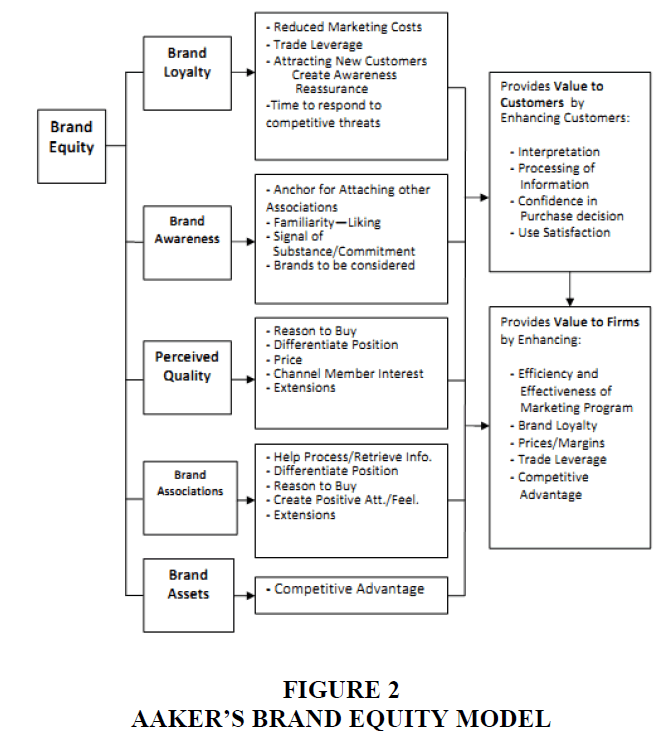
Loyalty in your relationship will demand this word on a frequent basis. No to temptations of the heart, flesh, self-interest, even at times of your loved one’s interests. Since a truly loyal person isn’t merely a yes-bot to others or themselves, a fair amount of strength is exhibited by those who can rightfully claim the mantle of loyal. Consistency is an important factor in building brand loyalty. When customers can rely on the same quality of service or product, a sense of loyalty develops. “The importance of consistency in. To create customer loyalty, luxury brands can’t just provide expertly crafted goods. Everything they produce needs to reflect their commitment to quality, and that includes marketing materials. One area where luxury brands stand out from the pack is direct mail marketing. To create loyalty, you need to provide an exceptional experience. Studies have found that 89 percent of customers switch brands due to a bad customer experience. Service-related problems are behind.
In fact, when it comes to personal branding, creating relationships and building trust is vital and imperative for success.
Once you have created relationships with your customers and you have earned their trust, you will also gain their loyalty.
This is a huge advantage.
Once you gain loyalty, you could have a customer for life.

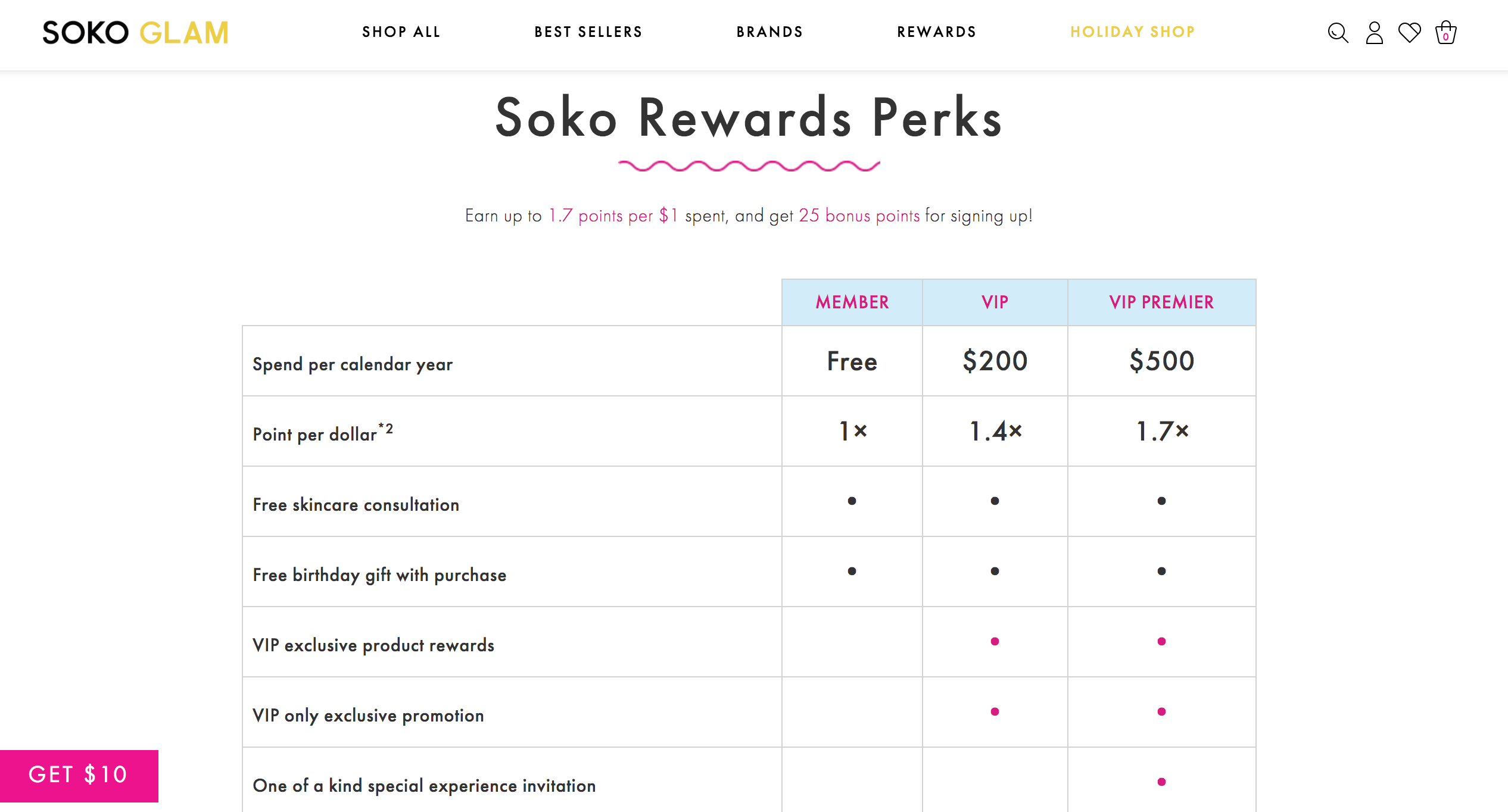
Below are a few specific ideas for how you can build relationships and create brand loyalty:
1. Offering returning customers a discount on services.
Everyone loves a good deal. Therefore, when a customer returns to you, it is a good idea to reward them for coming back. This doesn't have to be a huge discount; it can just be a percentage off of their bill.
However, simply acknowledging that you appreciate their business and are thankful they are coming back to you is a great way to encourage loyalty.
2. Giving rewards for referrals.
Giving your current customers rewards for referring other customers to you is yet another way to show your current customers you appreciate their business. It also helps build up your customer database quickly.
3. Offering updates.
On your Facebook or Twitter page, you can post updates about your business and even your personal life — if you are comfortable with that.
This will make your customers feel like they know you. They will have the inside scoop, a behind-the-scenes look at what you are dealing with on any given day.
As a result, you suddenly become more human to them. This is important because appearing as a human in their eyes instead of a big, cold, heartless company is key to relationship building.
Consequently, it’s crucial to personal branding as well. Updating your social-media accounts or website is a great way to humanize yourself.
4. Really caring about your customers.
Your customers will see through any fake expressions on your part. Therefore, when you aim to build relationships with your customers, be sure that you actually do care about their well-being. By treating your customers well, you will be amazed at how willing they become to support your business.
Building relationships and personal branding are intertwined. You simply can’t have one without the other. Your work to build lasting relationships with your customers will pay dividends in regards to the growth of your personal brand.
NOT A LOYAL CUSTOMER ANYMORE…

A computer was shot eight times in a back alley in Colorado Springs. The man who executed it with a handgun told police officers who responded to a report of gunfire that the pair had been “fighting” for months.
How Relationships Build Brand Loyalty Definition
How Relationships Build Brand Loyalty Marketing
According to the Colorado Springs Gazette, “the computer is not expected to recover.” The assailant did not realize that murdering an electronic device was illegal, and was issued a citation for firing a gun inside the city.
This article was originally published under my column at Entrepreneur Magazine here.
| SUMMARY: A corporate-style branding effort requires a corporate-sized budget. But if fancy logos and mass advertising arenât in your budget, you can try building your brand one customer at a time. Read one marketerâs recommendations for using personal communications to connect with your best customers. Through simple, low-cost tactics, you can build stronger relationships and establish a brand identity thatâs more than just an image. |
How Relationships Build Brand Loyalty Examples
'Small and medium businesses would be far better [off] spending the time and money on relationship building, and the brand thing will come out of it by itself,' says Torok. 'A brand is not about colors or logos or fonts -- a true brand is about a feeling that people have about you.'
Torokâs firm helps owners and marketers at small- and medium-sized businesses develop a more personal touch with customers. Below, we highlight seven tactics Torok uses to establish and maintain those relationships. These efforts require time and diligence, but they are very inexpensive.
Tactic #1. Make company leaders available to customers
Smaller companies have an advantage over large corporations -- there are fewer bureaucratic layers between the top and the bottom. Take advantage of the situation and give customers access to top-level management.
Access can be granted in several ways, including:
o Having executives visit sales floors
o Attending industry conferences
o Having an open-door policy for phone calls
o Attending or hosting live chat sessions, forums, or other industry-related social media events
'That doesnât mean you spend all your time on the showroom floor or going to networking events, but you need to be seen,' Torok says. 'You put a human face on the business for your clients, which makes them feel better about doing business with you.'
- The door is not always open
Maintaining an open-door policy does not mean customers can reach you at will. But it could mean establishing times for customer calls, such as between 9-10 a.m. on Thursdays.
Tactic #2. Reach out and be heard
Customers feel special when you reach out to touch base. This can be done through:
o Direct calls
o Emails
o Social media sites
o Handwritten notes and postcards
Postcards can be particularly valuable as a quick, personal way to reach out. A two sentence handwritten message is much more personal than a typed email. You can send 20 or 30 postcards while waiting for a plane. Postcards are waiting for you in the gift shop.
- Not every customer is equal
There is not enough time in the day to call or write postcards to every customer, just to ask how theyâre doing. Prioritize efforts around your most valuable accounts and prospects.
Tactic #3. Request introductions from sales
A good way to start building relationships is to have your sales team introduce you to your best customers, Torok says. Good ways to connect include:
o A simple telephone call
o Tagging along on sales visits to their offices
o Being present when they visit your office
- Coordinate customer contact with sales reps
Tactics such as writing postcards and sending messages through social media are fairly innocuous, and do not take much of the customersâ time. However, phone calls and scheduled meetings should be approached more delicately.
Your sales team might be in the process of closing a deal, and you do not want to interrupt that process. Have an open line of communication with sales to avoid any miscues.
Tactic #4. Ask customers about their business
Your natural inclination might be to ask customers if they are satisfied with your product and service, and if they have any complaints or questions. However, a conversation with a customer is also a great time to find out more about their business.
During conversations, ask customers about:
o Opportunities in their business
o Biggest headaches
o Biggest fears
o Plans and predictions for the future
This information will give you a better understanding of your customersâ needs and mindsets. The more you understand them, the better youâll be able to design marketing campaigns and new product features.
Also, asking for this information shows a real interest in the person with whom you're speaking. You will be gathering important business information while making a strong personal impression.
Tactic #5. Send small gifts
The more relevant and personalized you can make the gift, the better it will connect with your customer.
Torok suggests books. Thereâs at least one for every topic, so itâs easy to find one thatâs likely to interest a customer. Also, you can write personal messages and sign books just like postcards. So if you have five top customers who are interested in golf, buy each a copy of a popular golfing book, pen a message inside, and mail it to them.
'If you receive a book from someone that they personally autographed for you, people donât tend to throw it away, even if they donât read the book,' Torok says. 'They put it in a special place on their shelf and they remember you.'
Tactic #6. Manage your time wisely
As mentioned, not all of your customers are equal. Set rules that will determine which customers receive friendly calls, postcards, gifts, etc. Some customers might 'qualify' for a gift, while a postcard might suffice for others.
Also, create a schedule for customer outreach. You may plan to send 30 gifts and 200 postcards this year, but you certainly donât need to send them all at once. Use scheduling software, such as Microsoft Outlook, to program reminders.
If you have a clever IT department, they may be able to build a solution that connects to your customer database, classifies customers to contact and schedules when to reach out.
Tactic #7. Scale back if necessary
This strategy could spin out of control and consume too much time with overly ambitious goals. Remember, you have the rest of your job to consider. If you find yourself too pressed to keep up with the contact schedule and have to scale back, donât fret.
'No one will really notice,' Torok says. 'No one expects there to be a regular schedule of postcards. If someone received a postcard two years ago, theyâll still remember it.'
If you have to scale back, start by raising the bar for your contact rules. For example, you might have planned to call customers who purchased two or more times last year. Try raising the bar to three or more purchases and see how many calls that leaves you.
Useful links related to this article
How to Use Networking Tactics to Generate New Business with Old Clients: 6 Tactics
http://www.marketingsherpa.com/article.php?ident=30767
How to Get Bloggersâ Attention with Personalized Landing Pages & Videos
https://www.marketingsherpa.com/barrier.html?ident=30540
Power Marketing
http://www.powermarketing.ca/